 The University
 Community
 Studies
 Services
 Research
 News
News Students
 Prospective Students
 Ionio.gr
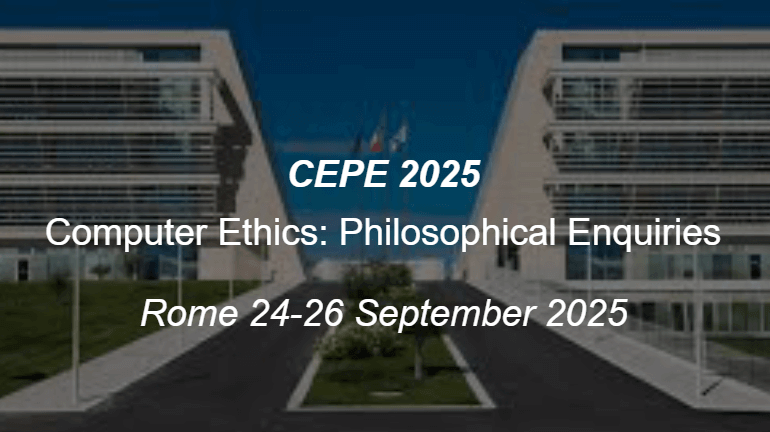
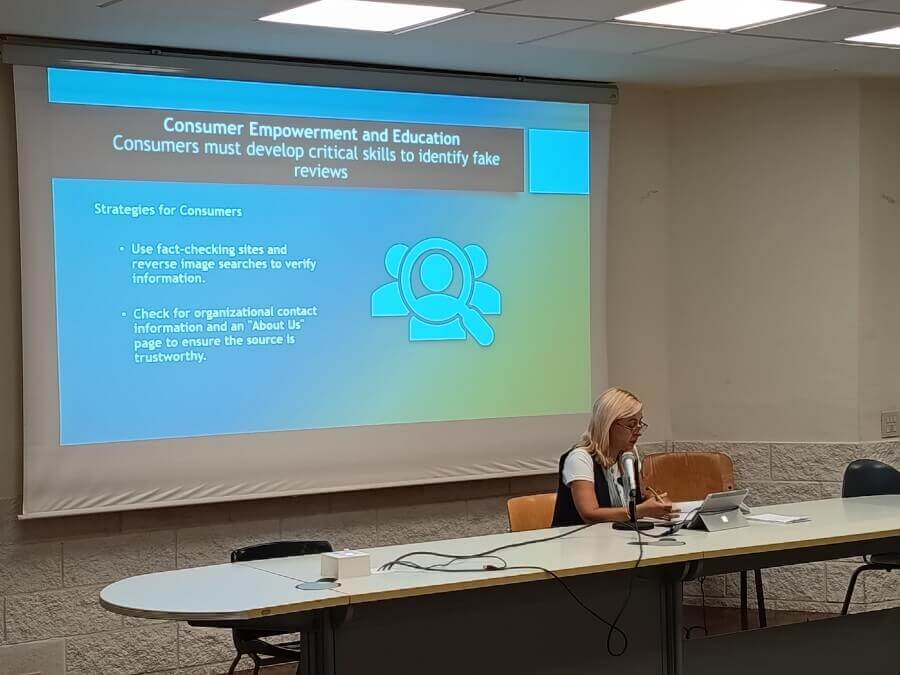
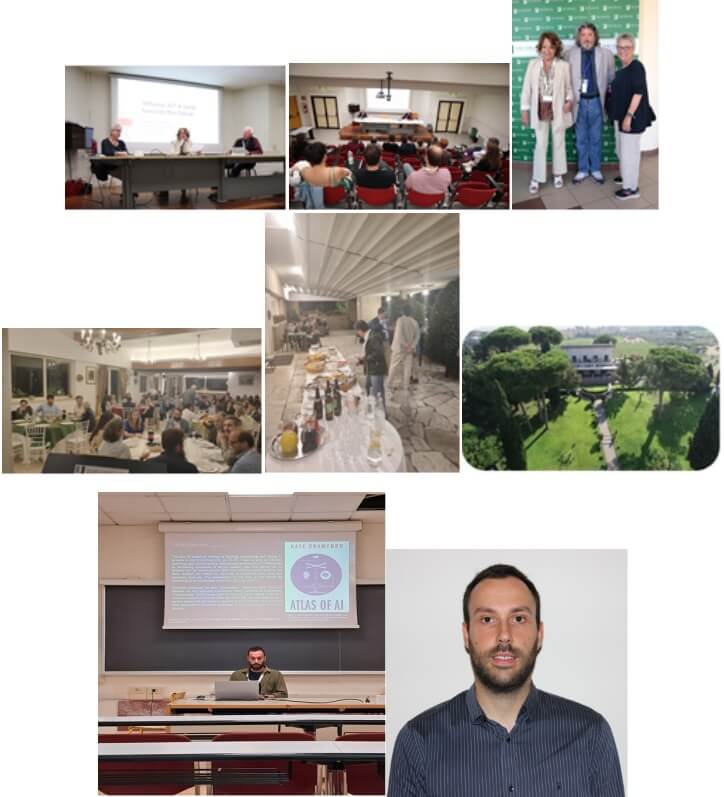
The 2025 edition of CEPE—Computer Ethics: Philosophical Enquiries was held from 24 to 26 September at the University of Rome Tor Vergata, gathering an international community of scholars and practitioners to reflect on one of the most pressing issues of our time: the ethical, normative, and philosophical challenges posed by artificial intelligence. Hosted by the Department of History, Cultural Heritage, Education and Society in collaboration with INSEIT, IHRC (DALMS, Ionian University), and the University for Peace, CEPE 2025 stood out both for the quality of its contributions and for its strong interdisciplinary character. With around 120 submissions and approximately 80 accepted papers, the conference showcased rigorous scholarship from across the globe, confirming CEPE’s role as a leading forum for research in computer and information ethics.
A Rich and Engaging Academic Program: The three-day event brought together researchers, policy experts, technologists, and philosophers from more than 20 countries, offering a vibrant intellectual environment. Discussions focused on a wide range of contemporary issues: algorithmic fairness, privacy and surveillance, AI governance, human rights, digital autonomy, philosophical conceptions of agency, and the societal impact of intelligent systems.
The conference was marked by the presence of three distinguished Keynote Speakers:
• Derrick De Kerckhove, a pioneering voice in media theory and digital culture
• Mario De Caro, one of Italy’s most prominent philosophers, exploring ethics, agency, and modern technology
• Frances Grodzinsky, a leading figure in information ethics and the recipient of the Weizenbaum Award, awarded in recognition of her outstanding and lifelong contributions to the field.
Their lectures set the tone for rich debate and deep interdisciplinary exchange. The following Greek professors/researchers from the Ionian University presented papers: Maria Bottis (DALMS), Gianna Dimitriou (DALMS), Costas Popotas (DALMS), Artemis Papandritsa (Laboratory of Museology, DALMS), Ioanna Mazi (supervisor: Professor Ioannis Delygiannis), Irini Katsenou (Audiovisual Arts Department), George Bouchagiar (DALMS), Antonios Bouchagiar (DALMS).
Industry Engagement and Social Responsibility: A notable feature of CEPE 2025 was the involvement of its main sponsor, Eni, a company with a longstanding commitment to corporate social responsibility. Their support reflected growing recognition within the private sector that the future of AI must be shaped not only by technological innovation but also by ethical reflection and societal accountability.
Community and Cultural Experience: Beyond the academic sessions, CEPE also provided opportunities for community-building. The social dinner, held at the agriturismo Tenuta di Pietra Porzia, a beautifully preserved 19th-century farmhouse in the Castelli Romani, was attended by most of the conference participants. In this unique setting overlooking the Roman countryside, attendees continued discussions, exchanged ideas, and strengthened international connections in an atmosphere that blended scholarship with Italian cultural heritage.
National Visibility and Broader Impact: CEPE 2025 attracted broad media coverage in Italy, with articles and features appearing in major newspapers, online news portals, and cultural magazines. This visibility demonstrates how themes once confined to academic circles—AI ethics, responsibility, and human rights—are now central to public discourse.
Indeed, the conference contributed to shaping the national conversation about the governance of emerging technologies. By bringing together voices from academia, industry, public institutions, and civil society, CEPE 2025 highlighted the shared responsibility of designing technological futures aligned with human values.
Selected papers from the CEPE Conference will be published in several Special Issues for the Journal of Information, Communication and Ethics in Society (JICES), International Review of Information Ethics (IRIE), and Ethics and Politics (University of Trieste Press).
CEPE 2025 reaffirmed the conference’s role as a vital meeting place for critical thought, scholarly exchange, and ethical foresight. The high quality of submissions, the diversity of perspectives, and the strong engagement of participants underscored the continuing relevance of philosophical enquiry in the age of AI.
As artificial intelligence becomes increasingly embedded in everyday life, events like CEPE are essential for cultivating the ethical imagination and normative frameworks needed to guide technological development in humane and socially responsible directions.
All information on the conference is at https://cepe2025.uniroma2.it/





 Exhibition Poster